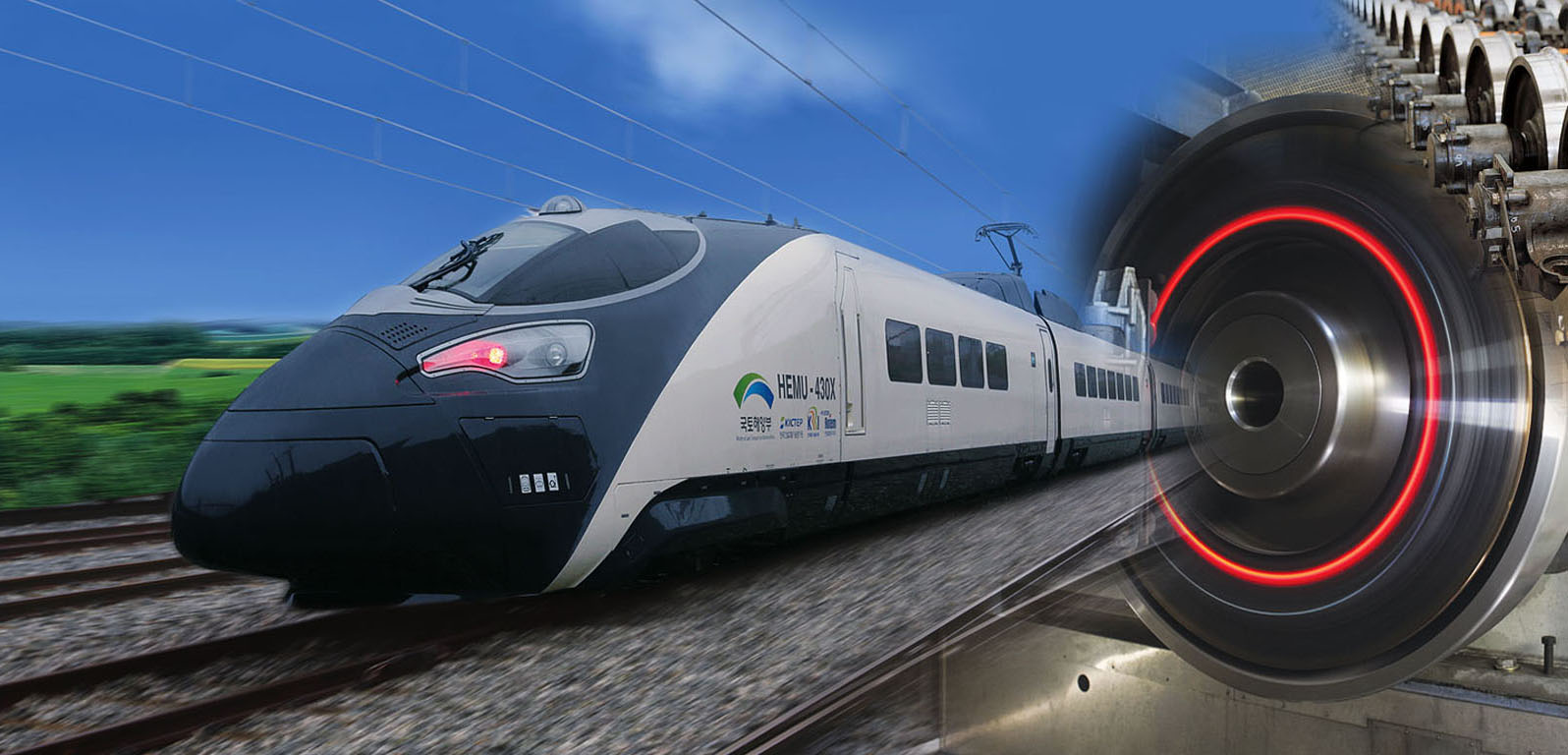
Dynamometer
| rated capacity | 1040 kw | nominal torque | 6363 Nm |
|---|---|---|---|
| max speed | 3000 min-1 | max. brake torque | 35000 Nm |
| max diamater test specimen | 1300 mm | brake force | 35~120kN |
| brake torque by torque flange | ± 35000Nm | brake torque by load cell | ±13.75kNm/(±12.5kN) _ ±27.5kNm / (±25kN) |
| brake pressure | max 10 bar / release parking brake : max 6bar | dimensions (l*b*h) | 12m * 3.7m * 3.4m |
| weight dynamometer | appr. 60ton | Test size | 1,200 mm |
| Max. weight of test piece | 1,000 kg | Max. Speed | 500 km/h |
| Max. Torque | 35,000 Nm | Max. Mechanical inertia | 2,400 kgm2 |
| Max. Electrical | 2,000 kgm2 | Motor Power | 1,100 kw |
| Weight | 60 ton | ||
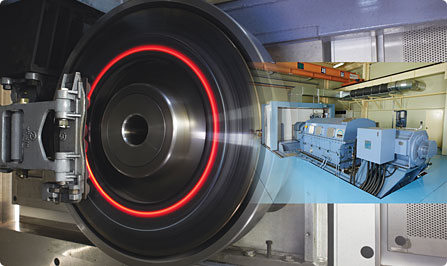
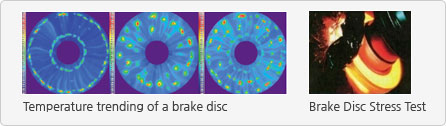
In order to analyze and resolve complex problems or phenomena in the vehicle condition for railway vehicle equipment and components, a model similar to the actual vehicle is created and physical simulation tests are performed to understand the characteristics of the equipment and components and evaluate the effectiveness of the device.
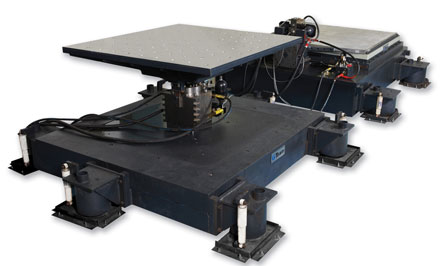
Vibration Test Equipment
| Application | Vibration durability test |
|---|---|
| Standard test | IEC61373, MIL STD 810F 514, KS R 9186, KS R 9144 |
| Actuate direction | Horizontal / Vertical |
| Max. Load | 500 kg |
| Capacity | 0~200Hz, 9.8G |
| Size | 6,700 * 2,500 * 1,300 |
For equipment and components attached to railway vehicle bodies and bogies, resonance tests, vibration function tests, and vibration endurance tests are performed by attaching them to the vibration tester in a mounting method and posture close to actual use, and effectiveness evaluation for robust design of equipment and components is conducted.
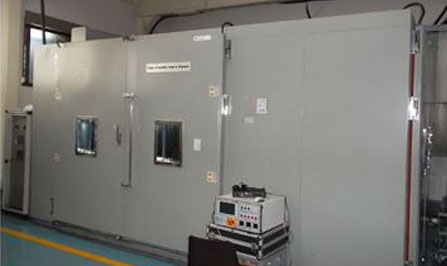
Walk in Chamber
| Application | Environmental reliability test of railway products |
|---|---|
| Product range | Brake operating unit, driving gear unit, pantograph, brake cylinder |
| Temperature range | -60℃~120℃ |
| Humidity range | 30% ~ 98% |
| Rising speed of temperature | 1℃ /min |
| Size | 4,000 * 2,400 * 2,100 |
In order to investigate the effects of environmental (temperature) conditions on railway vehicle equipment and components, TSH (high temperature storage), TSL (low temperature storage), TDH (high temperature operation), and TDL (low temperature operation) tests are performed in an artificially created environment rather than in natural conditions, and effectiveness evaluation for environmental reliability of equipment and components is conducted.